

From February 6 to 22, the Winter Olympics were held in Milan, Italy. Figure skating took place in the Milano Ice Skating Arena, and it had some interesting outcomes this year. Let’s dive into the elements of figure skating and some of the stories of our gold medalists!
It is important to first understand how the scoring system works in figure skating, specifically at the Olympics. A figure skater earns points during a rehearsed, 2 minute 40 second short program (2 minutes 50 seconds for rhythm dance), and during a 4 minute free skate. Each skater’s session must fall within 10 seconds more or less than the allotted time. In terms of scoring, five categories are judged: skating skills, transitions, performance, composition, and interpretation of the music. Each category receives between 0.25 and 10 points, making up the final program component score. While each element is scored and has a different base value, each of the nine judges adds or subtracts five points based on the grade of execution of the skill.
There are four possible elements: jumps, spins, spirals, and lifts (unique to pair skating). Each element has many possible moves and variations that can be performed. For example, there are six types of jumps that can all be performed in up to four rotations in the air, except for the waltz jump, as it is only a single rotation. Spins also include distinct variations, the three main categories being upright, sit, and camel spins. Spirals are done by the skater lifting their free leg above hip level and gliding across the ice. Lifts are only performed in pair skating, where the female skater is lifted above the male skater’s head.
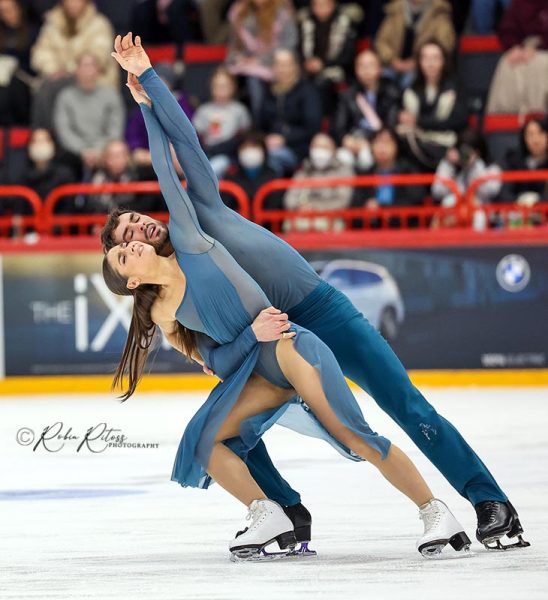
Ice dancing was the first skating event, kicking off on February 11. Ice dancing is derived from ballroom dancing. It involves two skaters performing on the ice together in a similar way to pair skating, but instead of focusing on jumps and lifts it focuses on complex footwork and artistry. The gold winners of ice dancing this year were Laurence Fournier Beaudry and Guillaume Cizeron from France. They scored a 90.18 on the rhythm dance, followed by a 135.64 on the free dance. Laurence and Guillaume have only been ice partners since 2025, but they have worked diligently together. A mix of a strong artistic performance and their synchronization landed them the gold metal this year.
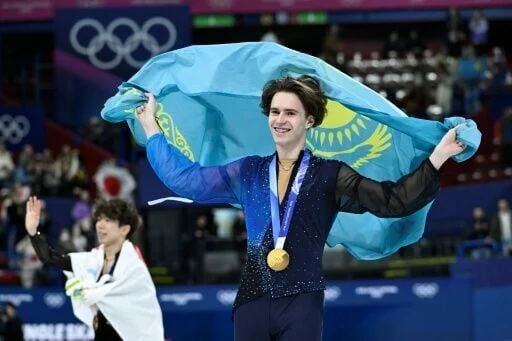
The next event was the men’s singles, occurring only two days after ice dancing concluded. Mikhail Shaidorov from Kazakhstan claimed the gold medal on this one, being the first from his country to do so. He received 92.94 points on his short program, and pulled an astonishing 198.64 points on his free skate. Shaidorov’s family has faced financial hardships, his father even selling his car in order to get his son better training. He made history at age 21, and his story inspires countless people. This victory was a surprise to many that thought Ilia Malinin would win, the American “Quad God” believed to have the medal within his grasp until a surprising and devastating free skate. Nonetheless, Ilia congratulated Mikhail immediately for a groundbreaking performance, Mikhail’s family waiting in Kazakhstan to celebrate his victory.
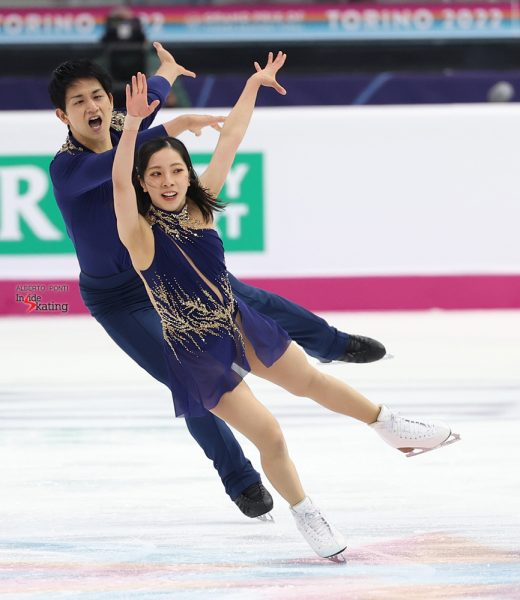
Pair skating was the next event, an event where two skaters skate in unison, performing complex moves such as overhead lifts and throw jumps. Riku Miura and Ryuichi Kihara from Japan claimed the gold medal in this event. They earned a subpar 73.11 on their short program, which was made up for by a 158.13 on their free skate. Not only is this a world record breaking free skate score for pair skating, they are also the first Japanese pair to win Olympic gold. After 7 years of skating together, they have recently announced their retirement as of April 2026. The duo, nicknamed “RikuRyu,” expressed their gratitude for all those who have supported their journey up to their recent victory.
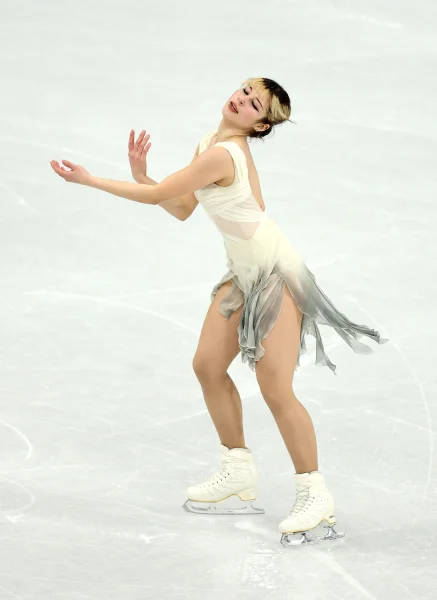
To conclude the Olympic figure skating season, women’s singles was up. The United State’s Alysa Liu came out victorious after scoring a 76.59 on her short program and a 150.20 on her free skate. In 2019, she became the youngest US national figure skating champion at age 13, having also been the youngest figure skater to land a triple axel in international competition a year before this. After retiring in 2022 from burnout, she made a comeback in the competitive game in 2024. She inspires many young athletes and skaters, advocating for prioritizing mental health and enjoyment in one’s sport over the pressure to be perfect.
All of this year’s figure skating Olympians have showcased a powerful combination of resilience, artistry, and determination. Fans and other skaters alike are inspired by the beauty of figure skating itself, along with the stories and messages that each skater comes to share. From various record-breaking performances to unexpected victories, this Olympic season is not one to forget.


